Enterprise Asset Management Software
AXIS Gatepass provides a feature packed Enterprise Asset Management Software (EAM) to create, tag, maintain, find, track history and periodically reconcile your valuable Assets.
Partial list of customers



Enterprise Asset Management software is a comprehensive tool designed to optimize the lifecycle of organizational assets. From fixed asset registers to IT assets, this sophisticated software streamlines asset tagging and ensures precise asset reconciliation. We provide EAM solutions that facilitate detailed Asset tracking and management, allowing businesses to maintain an accurate inventory of their assets. By leveraging EAM, companies can enhance operational efficiency, reduce costs, and improve asset utilization. This strategic approach to asset management empowers organizations to achieve greater financial accuracy and operational excellence, making EAM software an essential component of modern business infrastructure.
Features of Asset lifecycle management
- Cloud or locally hosted Asset management software
- Asset control center for managing all your assets
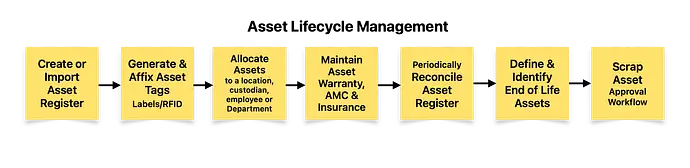
- Create or Import Asset Register
- Define upto 5-levels of asset locations
- Allocate Assets to employees or custodians
- RFID or non-tearable Asset tags
- Generate Asset Labels with QR Code (design your own tags)
- Track asset movement history
- Store and get reminders for Asset AMC/Warranty/Insurance
- Scrap asset with multi-level approval workflow
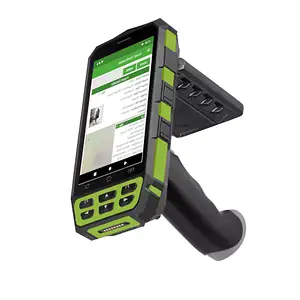
- Mobile App for Asset Verification and reconciliation
Asset Tag Generation
Asset tags play a crucial role in asset management by providing a means to identify, track, and manage assets efficiently. They come in various forms, designed to suit specific needs and environments. Barcode labels are common for general inventory tracking, offering simplicity and cost-effectiveness. RFID tags enable wireless tracking, ideal for real-time inventory management. Metal tags withstand harsh conditions, suitable for outdoor or industrial assets. Tamper-evident tags secure assets against unauthorized removal, and QR codes offer easy scanning with smartphones, facilitating asset management on the go.
The video on the right shows how Asset Tags are generated using our Asset Management software.
What is Asset Reconciliation?
What is Asset Geo-tagging and how is it helpful?
What is Asset Geo-tagging and how is it helpful?
For high-value Mobile Assets GPS tagging provides real-time location data, allowing immediate tracking of assets. This is particularly valuable for managing fleets, ensuring timely deliveries, and enhancing the security of valuable assets.
Contact our Asset management Experts for more details on how to implement a geo-tag or GPS-Tag enabled Asset Management system. We can work with you to develop an end-to-end, cost-effective solution based on your custom requirements.

What are the benefits of Asset Tagging and Implementing an Asset Management System?
Tagging your Physical Assets with identification tags (such as barcodes, QR codes, RFID tags, NFC tags, or GPS Tags), offers a wide range of benefits that can significantly improve asset management and operational efficiency. These benefits include:
Improved Asset Tracking
Asset tagging enables precise tracking of assets throughout their lifecycle, from acquisition to disposal. This tracking helps in knowing the exact location and status of assets, reducing the chances of loss or misplacement.
Enhanced Inventory Management
With asset tags, companies can maintain accurate inventory records, easily conduct audits, and quickly perform stock takes. This leads to a more efficient inventory management process, reducing the time and effort required for manual checks.
Increased Accountability
Tagging assets allows organizations to assign specific assets to individuals or departments, increasing accountability. This can lead to more responsible use of assets and reduce incidents of theft or misuse.
Efficient Maintenance and Repairs
Asset tags can store maintenance history and schedules, making it easier to keep track of when an asset requires servicing or repairs. This ensures that assets are maintained in a timely manner, extending their useful life and reducing downtime.
Compliance and Reporting
Asset tagging simplifies compliance with regulatory requirements by maintaining detailed records of asset acquisition, depreciation, and disposal. It also facilitates easy reporting for internal audits, financial accounting, and compliance checks.
Cost Savings
Effective asset management through tagging can lead to significant cost savings by reducing asset loss, minimizing unnecessary purchases, and ensuring assets are used efficiently.
Scalability
Asset tagging systems can easily scale with the growth of a business, accommodating an increasing number of assets without a significant increase in complexity or cost.
Security Enhancement
Certain asset tags, like RFID and NFC, can incorporate security features to prevent tampering or unauthorized access to assets, enhancing overall asset security.
Streamlined Audits
Tagged assets can be quickly scanned and audited, reducing the time and labor required for audit processes. This can lead to more frequent and less disruptive audits.
For a Detailed explanation of asset management please check this.
Disclaimer: The features and functionalities listed here are licence, version, device and module dependent. Some of the features may be in development/testing/prototype phase and may require additional development effort, time and cost to be available in production environment. Some of the features are tailor made for specific installations and may not be available in the standard application.